

How to build genuine relationships with your audience while increasing brand awareness is a persistent problem for event marketers and brand managers. User-generated social media content holds the key to the solution. Companies can turn inactive consumers into brand ambassadors by gathering and showcasing authentic posts from their community, such as TikTok videos from consumers, LinkedIn updates from staff members, or Instagram pictures from a conference.
Authentic voices are represented by user-generated social media posts, which have a far greater impact than conventional marketing messages. By combining content from social media sites like Instagram, Facebook, Twitter, LinkedIn, and TikTok into live social walls and social media displays, organizations create dynamic experiences that increase brand visibility, encourage real-time interaction, and drive attendee engagement. This approach has become essential for hybrid events, brand activations, higher education campaigns, and retail promotions.
What is user-generated content collection, and why does it matter?
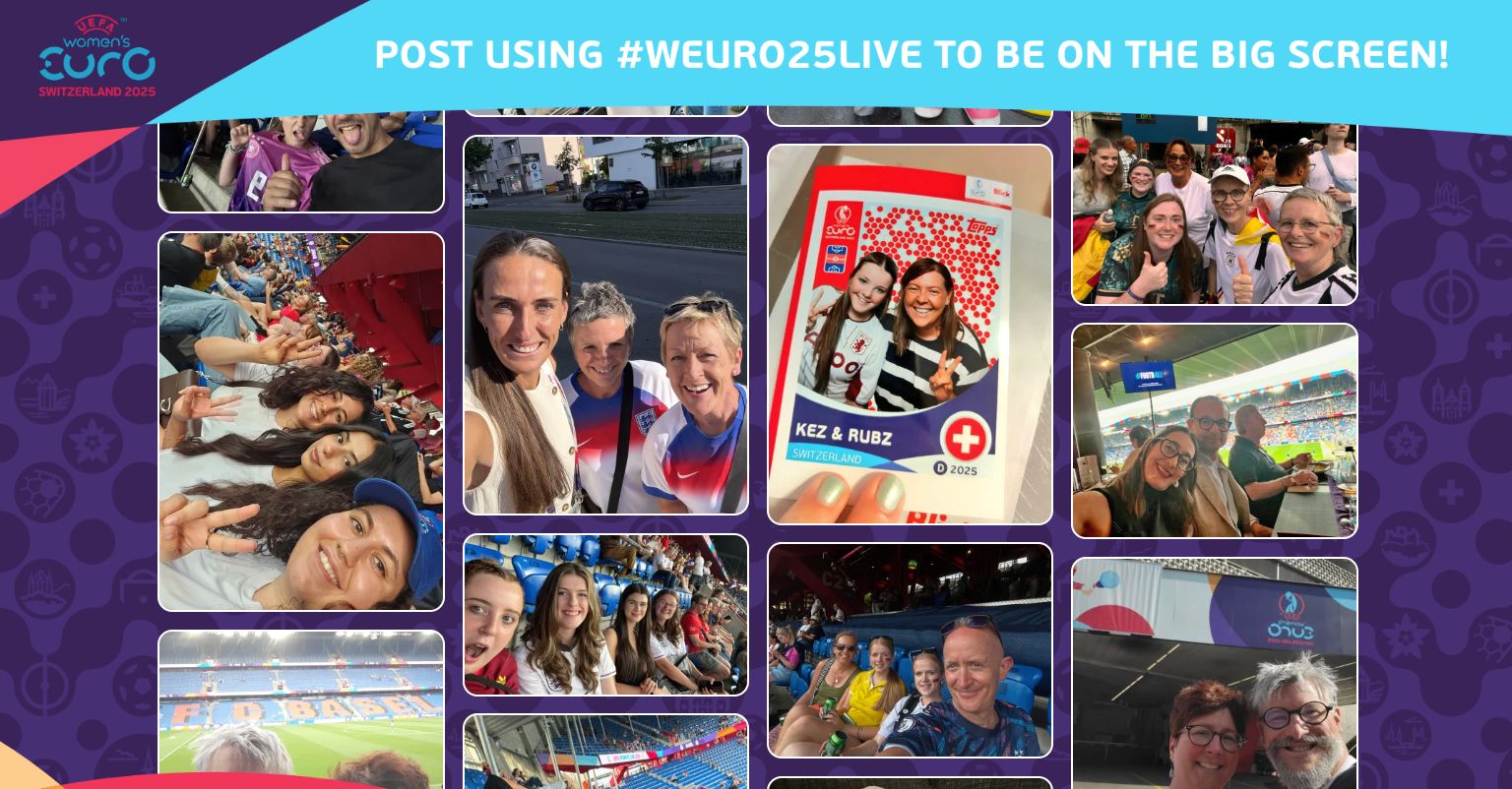
Collecting real media like pictures, videos, text posts, and narratives made by your audience instead of your marketing staff is known as user-generated content collection. Usually, this content starts on social media sites and is compiled into a centralized social media wall or feed via mentions, hashtag campaigns, or direct submissions.
Dispersed social media discussions are turned into unified brand experiences through this process. You bring your audience’s content to your events, websites, and digital signage displays rather than hoping they will see it in their crowded feeds. As a result, there is a strong feedback loop that encourages even more participation from the community members who see their contributions appreciated and highlighted.
Why this is important for contemporary marketing: social media aggregation expands your reach through natural sharing, boosts event engagement through community involvement, and fosters trust through authenticity. Attendees will naturally tell their networks about their experiences when they see their posts displayed on big screens at conferences or on your website, greatly increasing the visibility of your brand.
Here are a few strategic places where organizations regularly use UGC:
- Live events and conferences
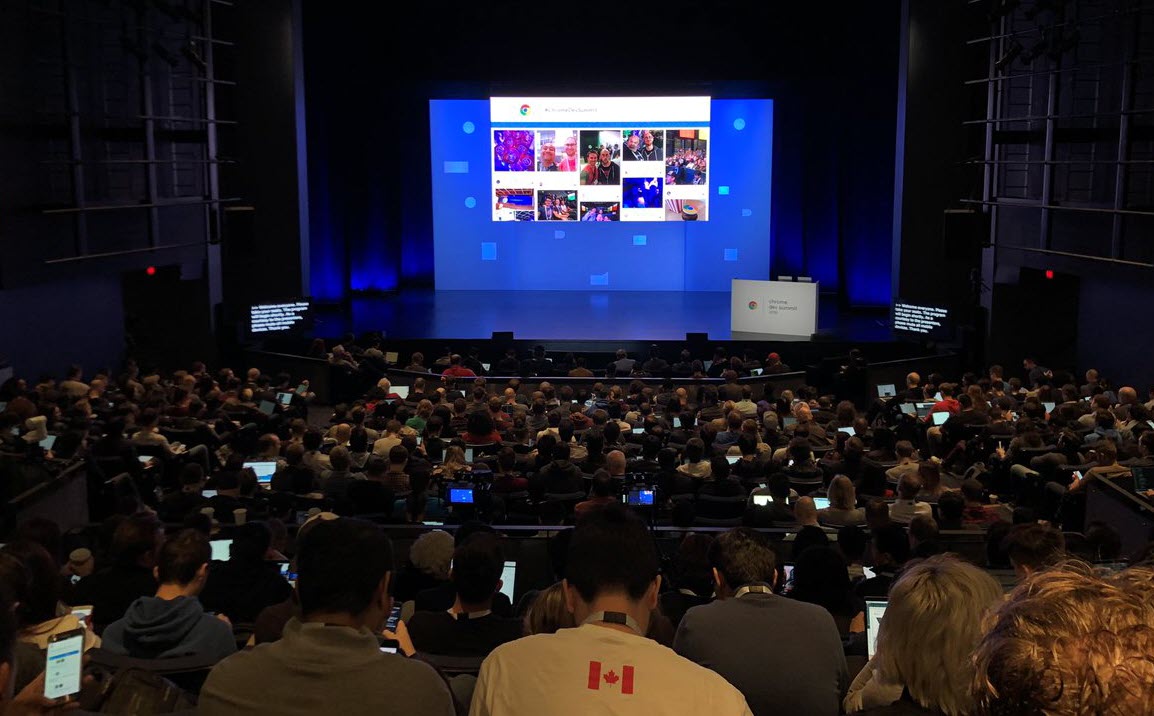
Use social walls to showcase real-time attendee content at conferences, trade shows, summits, and public exhibitions.

- Higher education
Support enrollment and community building with UGC during commencements, orientation weeks, and open days.

- Internal communications
Encourage participation and recognition at employee town halls, remote team events, and internal campaigns.

- Retail and e-commerce
Display customer testimonials and campaign content in physical stores or on product microsites.

- Tourism and nonprofits
Drive storytelling and engagement for advocacy, donations, and awareness campaigns.
⭐ Related: User Generated Content Examples to Inspire You
Step-by-step implementation guide
Step 1: Define your campaign goals
Start by identifying whether you’re focusing on event engagement, brand visibility, lead generation, or community building. This determines which platforms to prioritize and what type of content to encourage.
Step 2: Choose your social media platforms
Select 2-3 platforms where your audience is most active. Business conferences typically see strong LinkedIn engagement, while consumer brands often focus on Instagram and TikTok. Don’t spread too thin across every platform.
Step 3: Create your hashtag strategy
Develop a unique, memorable hashtag that’s short and relevant to your campaign. Test it first to ensure it’s not already in use. Consider creating both a main hashtag and secondary tags for different aspects of your event or campaign.
Step 4: Set up content curation tools
Use a social media wall platform to aggregate content from multiple sources. Configure moderation settings, keyword filters, and display preferences. Set up the technical integration with your digital signage, website, or event displays.
Step 5: Promote participation
Launch your hashtag campaign through email marketing, social media posts, event signage, and announcements. Make participation easy by providing clear instructions and incentives. QR codes linking to submission forms work particularly well for in-person events. To measure the success of these campaigns, brands usually track QR codes to see how many people scan and engage, turning participation into valuable data for future planning.
Step 6: Monitor and moderate
Actively review submissions to ensure they align with your brand values and campaign goals. Most platforms offer automatic moderation tools, but human oversight remains important for maintaining quality and appropriateness.
Step 7: Display and amplify
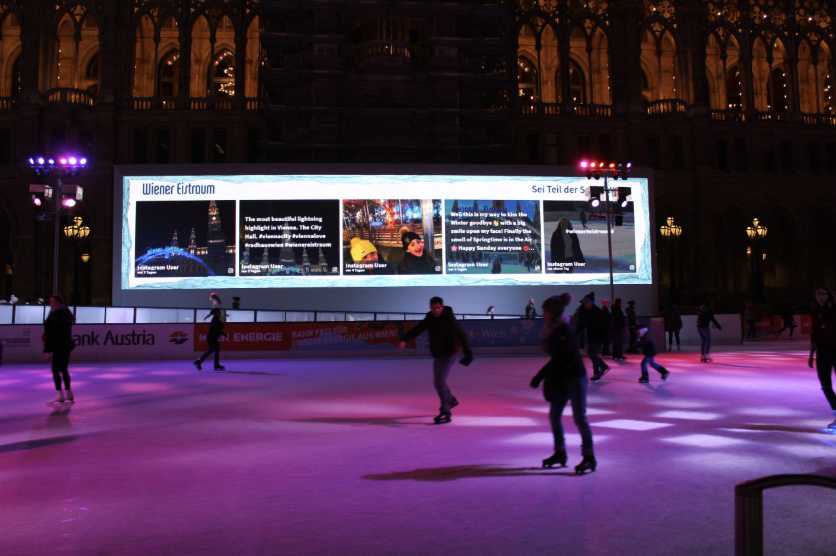
Showcase approved content on your social media display, whether it’s projected screens at events, embedded social media feeds on websites, or digital signage in retail locations. Encourage further sharing by highlighting featured contributors.
Increased engagement metrics. Organizations that invest in UGC displays report measurable results:
- Higher engagement rates at events (e.g., UGC-powered social wall at Fetch Kansas City collected over 700 posts)
- More brand reach through amplified hashtag visibility
- Improved employee engagement
- Stronger student and donor connections
- Increased website time-on-site when social feeds are embedded
Extended brand reach
Each person who shares content using your hashtag exposes your brand to their entire network. This organic amplification often reaches audiences that traditional advertising cannot access effectively.
Enhanced authenticity
User-generated content provides social proof that resonates more strongly than branded messages. When potential customers see real people genuinely engaging with your brand, trust increases significantly.
Cost-effective content creation
Instead of producing all marketing content in-house, UGC campaigns generate authentic materials that can be repurposed across multiple marketing channels. This reduces content creation costs while increasing authenticity. Brands supplementing UGC with AI-assisted captions or promotional copy can use an AI checker to verify the text sounds natural before publishing.
Improved event experience
Live social feeds create dynamic, ever-changing displays that keep audiences engaged throughout events. Attendees report feeling more connected to both the brand and other participants when their content is featured.
Common pitfalls and how to avoid them
Insufficient moderation controls
Problem: Inappropriate or off-brand posts may show up on your screens if your content filtering isn’t working properly.
Solution: For high-stakes events, use extensive moderation tools that include keyword blocking, automatic filtering, and manual approval procedures.
Vague or generic hashtags
Problem: In the commotion of social media, generic hashtags are overlooked.
Solution: Make branded, targeted hashtags that are simple to spell and remember. Before launching, make sure they aren’t already linked to irrelevant content by giving them a thorough test.
Limited platform integration
Problem: Your potential for reach and engagement is reduced when you concentrate on a single social media platform.
Solution: Make sure your social media wall can concurrently aggregate content from Instagram, LinkedIn, Twitter, Facebook, and TikTok, as most audiences use multiple platforms.
Inadequate promotion strategy
Problem: Don’t assume people will naturally discover and use your hashtags.
Solution: Actively promote participation through multiple channels, provide clear instructions, and consider incentives like contests or recognition programs.
Technical integration issues
Problem: Poor display execution can disrupt the user experience and hurt participation.
Solution: Prior to going live, thoroughly test your social media display. Make sure it integrates correctly with your projection, website embedding, or digital signage systems. Have contingency plans in case of technical issues.
Implement smart curation rules
Set up advanced filtering based on engagement metrics, follower counts, and content quality. This helps surface the most impactful posts automatically while reducing manual moderation workload.
Integrate with event technology
Connect your social wall with event management platforms, CMS systems, and marketing automation tools. This creates seamless data flow and enables more sophisticated tracking of campaign performance.
Use analytics for optimization
Monitor metrics like post volume, engagement rates, geographic distribution, and platform performance. Use this data to optimize hashtag strategy, posting schedules, and platform focus for future campaigns.
Scale across multiple events
Create templates and workflows that can be quickly adapted for different events, locations, or campaigns. This reduces setup time and ensures consistency across your organization’s social media aggregation efforts.
Leverage AI-powered features
Modern social media wall platforms offer AI-powered content scoring, automatic hashtag suggestions, and intelligent moderation. These features help maintain quality while scaling to handle larger volumes of user-generated content.
Case study: NatureFresh Farms
NatureFresh Farms started the #KidsInTheKitchen hashtag campaign to promote better eating practices among families. They gathered user-generated images of children assisting with meal preparation at home using a social media wall from Walls.io. The wall was advertised via social media and email, and it was integrated into a branded website. Submissions were boosted by a mix of user incentives, influencer posts, and carefully chosen content. The campaign’s reach was further expanded at the end with a digital guide featuring the best entries and dietary advice.

Turn your community into your strongest marketing asset
Collecting and showcasing user-generated social media posts was once a nice-to-have feature, but it is now an essential component of modern marketing and event strategies. Organizations that successfully use social media aggregation report measurable improvements in attendee engagement, brand awareness, and community development.
Choosing the right platforms for your target audience, creating engaging hashtag campaigns, implementing sound content curation, and showcasing the results in an engaging way are all essential. Whether you’re planning a business conference, launching a brand activation, or enhancing your retail experience, user-generated content provides real connections that traditional marketing cannot match.
Are you ready to elevate your next campaign or event with authentic community voices? Begin by deciding on your platforms, defining your objectives, and developing a hashtag strategy that motivates sincere audience participation.
FAQs
Q: Can we collect content if our audience isn’t active on social media? Yes! Walls.io social walls offer direct upload options that don’t require social media accounts. Attendees can submit photos and messages directly through QR codes or web forms, making participation accessible to everyone.
Q: What social media platforms can be integrated into one display? Walls.io supports Instagram, Facebook, Twitter, LinkedIn, TikTok, YouTube, and emerging platforms. The key is selecting platforms where your specific audience is most active rather than trying to cover every possible channel.
Q: How do we ensure appropriate content appears on our displays? Implement multiple layers of moderation including automatic keyword filtering, profanity blocking, image recognition, and manual approval workflows. Walls.io offers customizable moderation settings that can be adjusted based on your brand guidelines and event requirements.
Q: What’s the typical ROI of implementing social media walls? Social media walls are often seen as a simple, cost-effective way to boost engagement and increase brand visibility, both at in-person events and online. They encourage real-time participation and help turn attendees into active contributors. While results can vary depending on the event and campaign, many organizations see a strong return on investment early on, especially when the social wall is tied to clear goals and supported by good promotion and thoughtful moderation.